
THE REGIONICITY REPORT
Regenerative Economic Development, Made Visible.
From Sadness to Participation
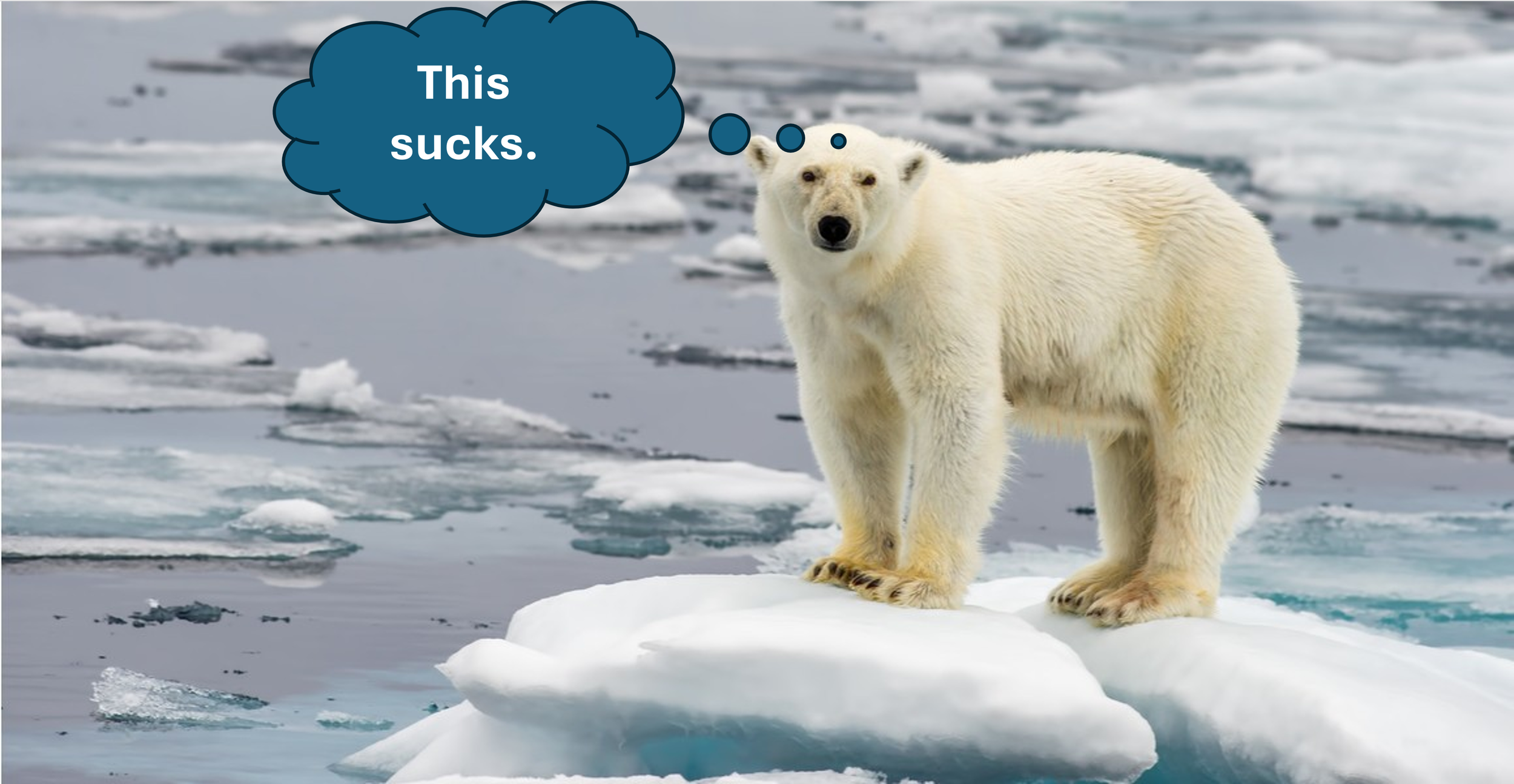
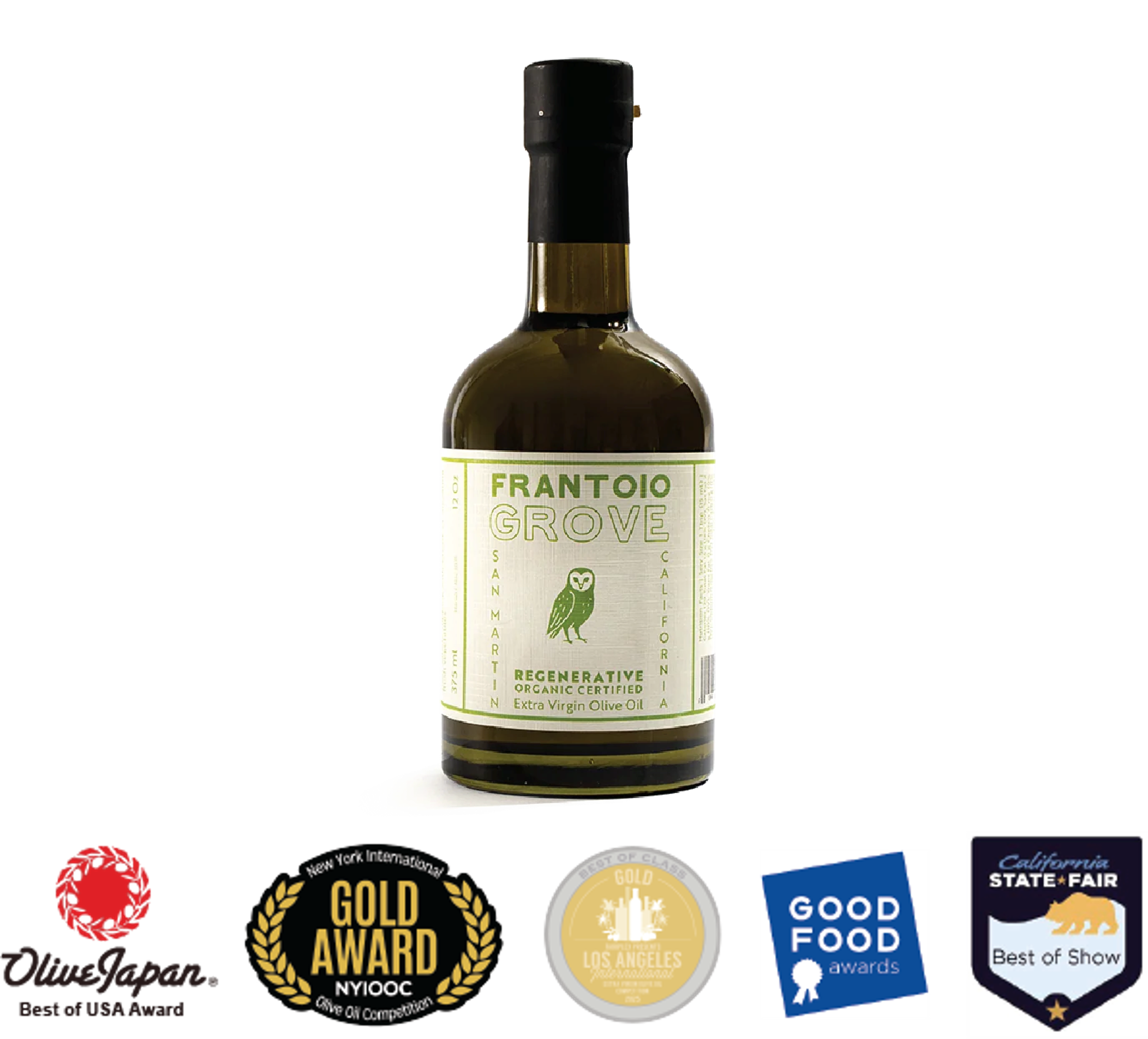
How do you get motivated to do the right thing for the environment?
This
Or
That?
There is no shortage of information about what is going wrong. Climate disruption. Fragile food systems. Rural decline. Workforce shortages. Poor health outcomes. Disconnected communities. Loss of biodiversity. Rising costs. Fewer locally owned businesses. In other words: sadness.
These challenges are real. But continually describing them does not, by itself, create a better future.
Regionicity begins with possibility.
We provide enough context to understand the challenge, then turn our attention toward the people, ideas, businesses, and communities doing something about it.
The goal is not just to inform readers and help them see a way to participate.
Regenerative Economic Development
Regionicity views a regional economy as an interconnected living system.
Strong regions are not built by agriculture, workforce, culture, healthcare, government, or infrastructure acting independently. They become stronger when these systems reinforce one another and create lasting value within the region.
The Regionicity Report explores this relationship through five interconnected pillars:
PLACE → WORKING LANDS → WORKFORCE → COMMUNITY → INFRASTRUCTURE
Place shapes what a region can become. Working lands translate that place into agriculture and food. Workforce connects local people to local opportunity. Community turns regional activity into culture, gathering, and belonging. Infrastructure provides the systems and institutions that allow all of it to thrive.
That interconnected cycle is what we mean by Regenerative Economic Development.
Place
A Sense of Place — aka Terroir
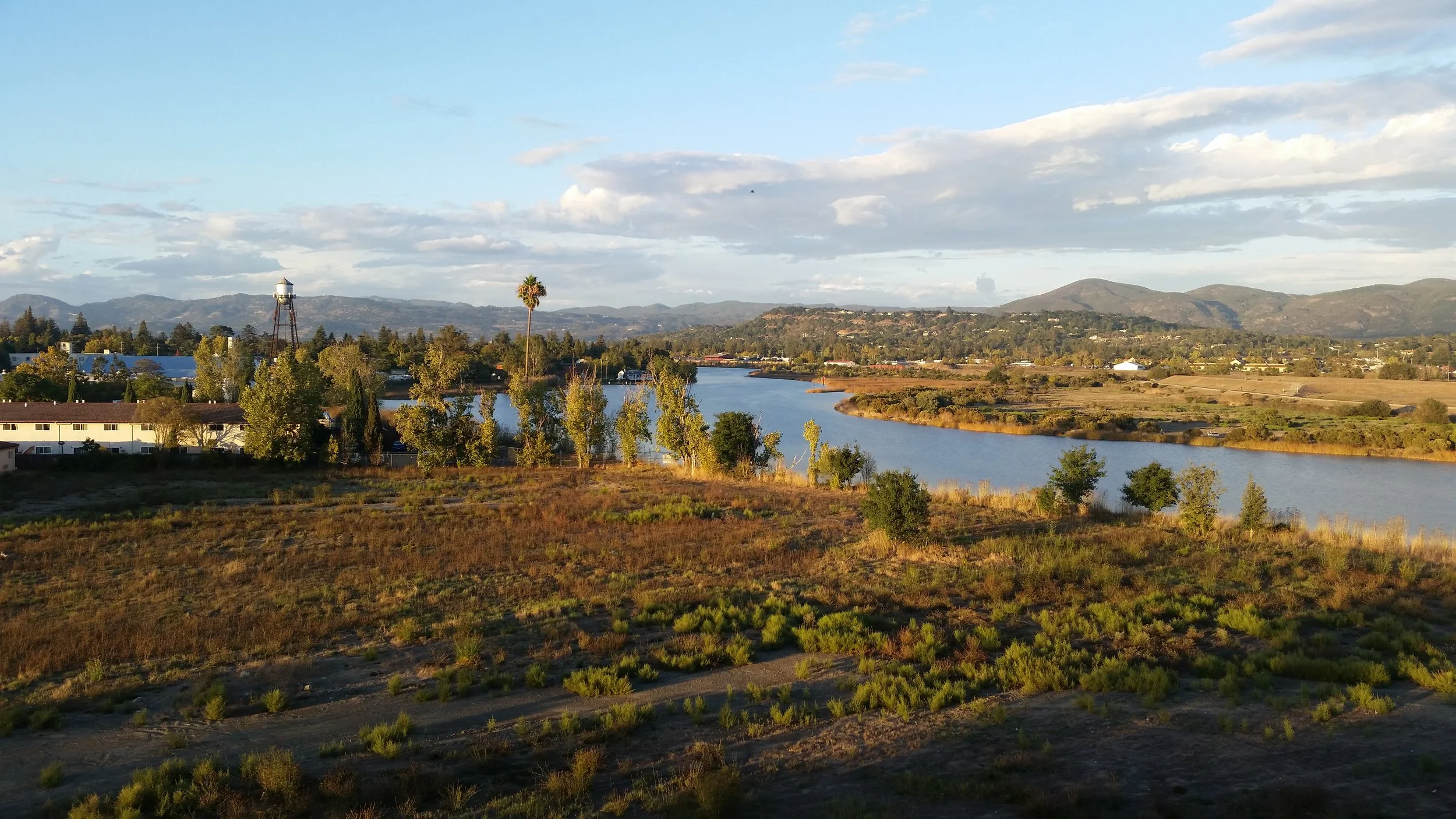
Every region begins with place.
Climate, geology, water, landscape, native plants, wildlife, seasons, and natural history create a context that makes one region different from another.
The French concept of terroir is often associated with wine, but Regionicity uses it more broadly: the distinctive character that emerges from the relationship between a place, its ecology, and the people who live there.
Knowing a region means knowing more than its towns and roads. It means recognizing its watersheds, landscapes, plants, animals, seasons, and the natural systems that surround everyday life.
The more we know a place, the more reason we have to appreciate it, enjoy it, and care for it.